Activities
CONTENTS
usiness Law Club Activity: When Mediation Becomes the “Art” of Legal Practice
Context: When Mediation Becomes the “Art” of Legal Practice
In the evolving landscape of modern justice, mediation is no longer an unfamiliar concept but has become an optimal method of dispute resolution, requiring practitioners to possess both sophistication and professional integrity. The demands of today’s legal labor market extend beyond a solid understanding of legal provisions to include the ability to harmonize interests and resolve conflicts in a humane and effective manner.
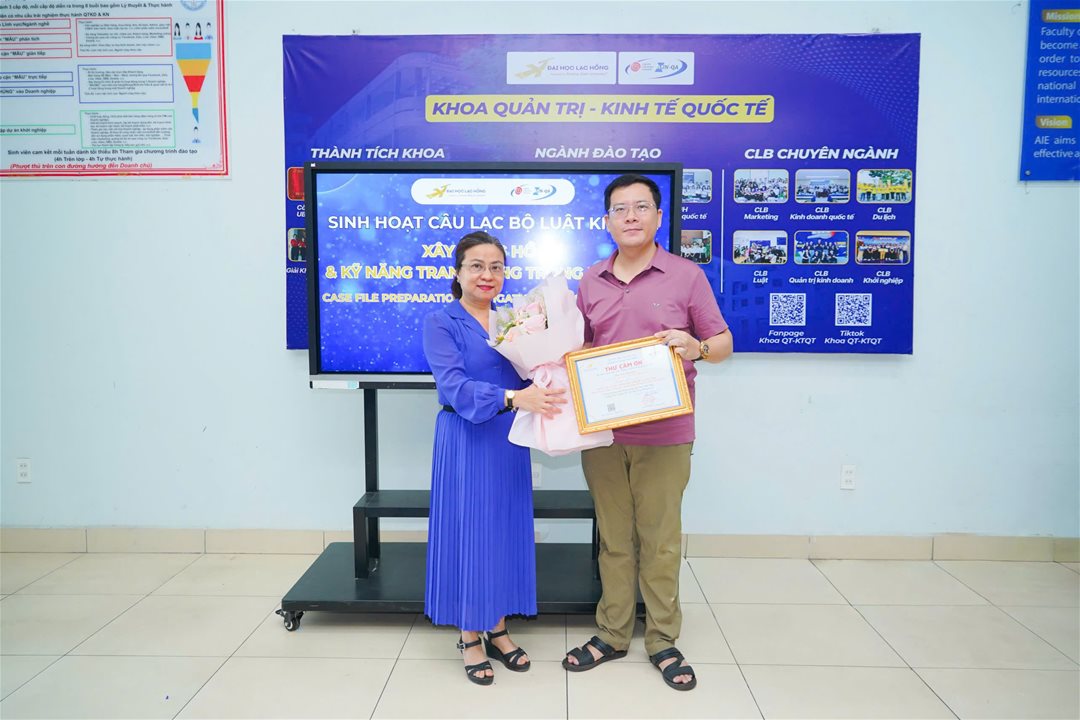
From this orientation, the thematic seminar “Case File Development & Advocacy Skills in Mediation” was organized, featuring insights from MBA. Vũ Kim Hải – Officer of the People’s Court of Dong Nai Province. The program created a highly practical academic environment for students.
In her opening remarks, MBA. Huỳnh Thị Như Hiếu – Head of the Business and Commercial Law Division, representing the Law and Economic Law programs – emphasized that equipping students with mediation skills is a strategic step toward preparing them for real-world legal practice. Beyond theoretical knowledge, proactiveness, critical thinking, and negotiation skills are core competencies that students must develop during their academic journey to be ready for their future careers.
Decoding Practical Skills from an Expert Perspective
The program provided a multidimensional perspective, focusing on the most critical aspects of the mediation process under the guidance of the guest speaker:
Mediation Process – From Theory to Practice:
Students were introduced to a comprehensive overview of a standard mediation session, from case intake and conflict analysis to identifying the core interests of the parties involved. As emphasized by the speaker: “A mediator is not merely a decision-maker, but a connector.”
Legal File Development – The Foundation of Persuasion:
A well-prepared case file is the most powerful “tool” in mediation. Students received detailed guidance on collecting documents, organizing evidence logically, and presenting case files in a clear, transparent, and legally persuasive manner to effectively support negotiation.
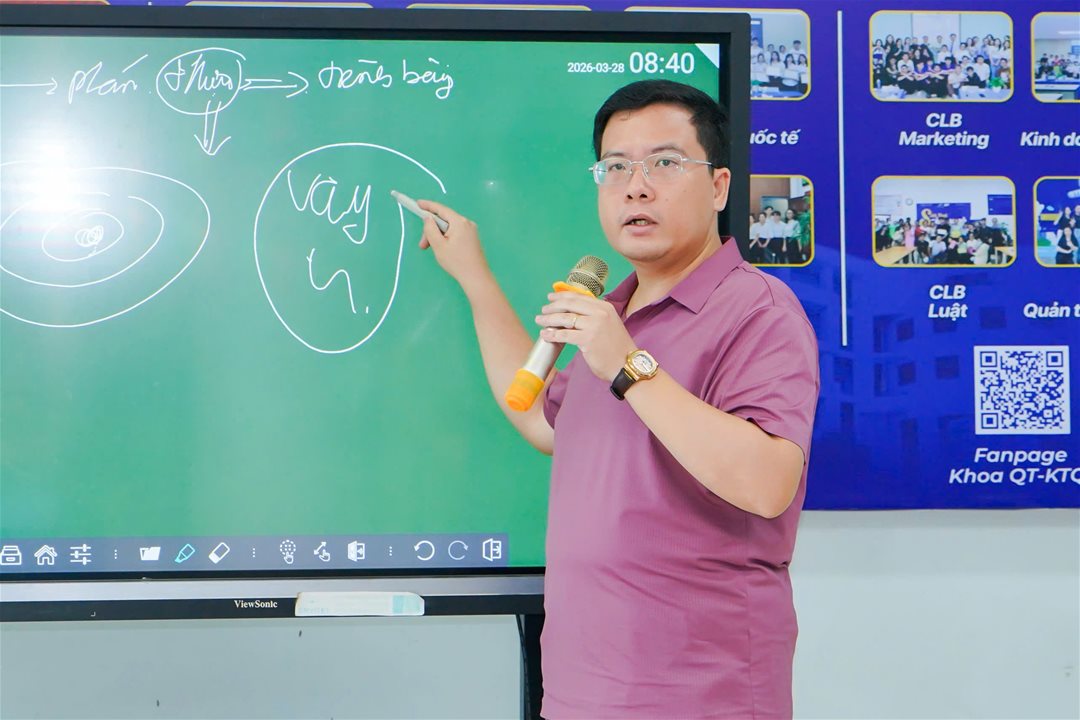
The Art of Argumentation and Negotiation:
Unlike the tense atmosphere of a courtroom, mediation requires flexibility and tact. Students learned how to ask open-ended questions, practice active listening, and identify common ground between conflicting parties—essential skills in the modern legal environment.
.jpg)
Mock Mediation Practice: Experiencing Real-World Pressure
The highlight of the seminar was the mock mediation exercise. In this session, students moved beyond observation and actively participated in simulated real-life scenarios.
Facing unexpected disputes allowed students to develop quick reflexes, problem-solving abilities, and professional composure—key qualities for future legal practitioners.

Conclusion
The seminar concluded not only with valuable professional knowledge but also with strong inspiration for students to continue pursuing their passion. It serves as a solid foundation for each individual to build a comprehensive “professional portfolio,” enabling them to adapt and excel in the ever-evolving legal environment.