
News
Kick-off Meeting: Office of Educational Testing & QA organizes a meeting to align the implementation of world university rankings
On the afternoon of April 8, 2026, the Testing and Quality Assurance Department organized a kick-off meeting to unify the plan for participating in international university rankings, including THE, QS, and WURI. The event marks a strategic step in enhancing the university’s academic reputation, standardizing data systems, and strengthening international integration.
More than just an internal meeting, this activity clearly reflects the university’s long-term orientation toward approaching global evaluation standards, where criteria such as research, social impact, and academic reputation are increasingly decisive in determining the position of a higher education institution.
Defining the Roadmap for participation in University Rankings
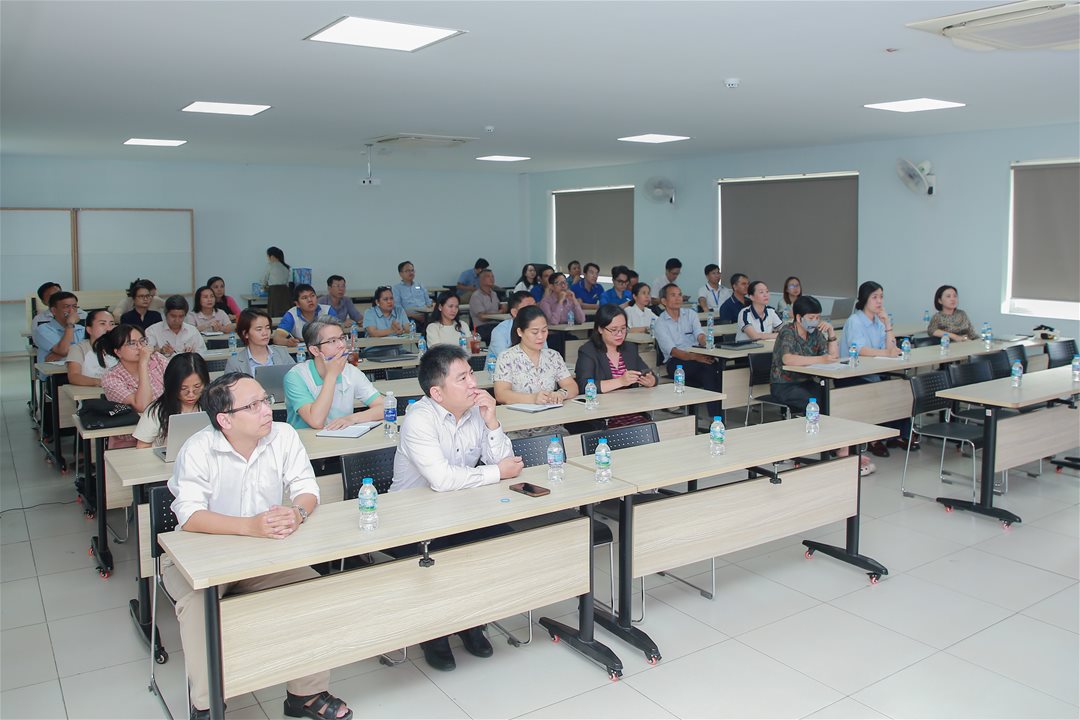
The meeting was held at Campus 1 and chaired by Assoc. Prof. Dr. Nguyen Thanh Lam, Vice Rector of Lac Hong University, with the participation of leaders and staff in charge of quality assurance from various units.
At the meeting, a representative from the Testing and Quality Assurance Department presented an overview of ranking systems, including THE Impact Rankings, THE World University Rankings, QS, and WURI. The presentation focused on clarifying evaluation criteria, approaches, and development trends of these rankings in the context of increasingly competitive and globalized higher education.
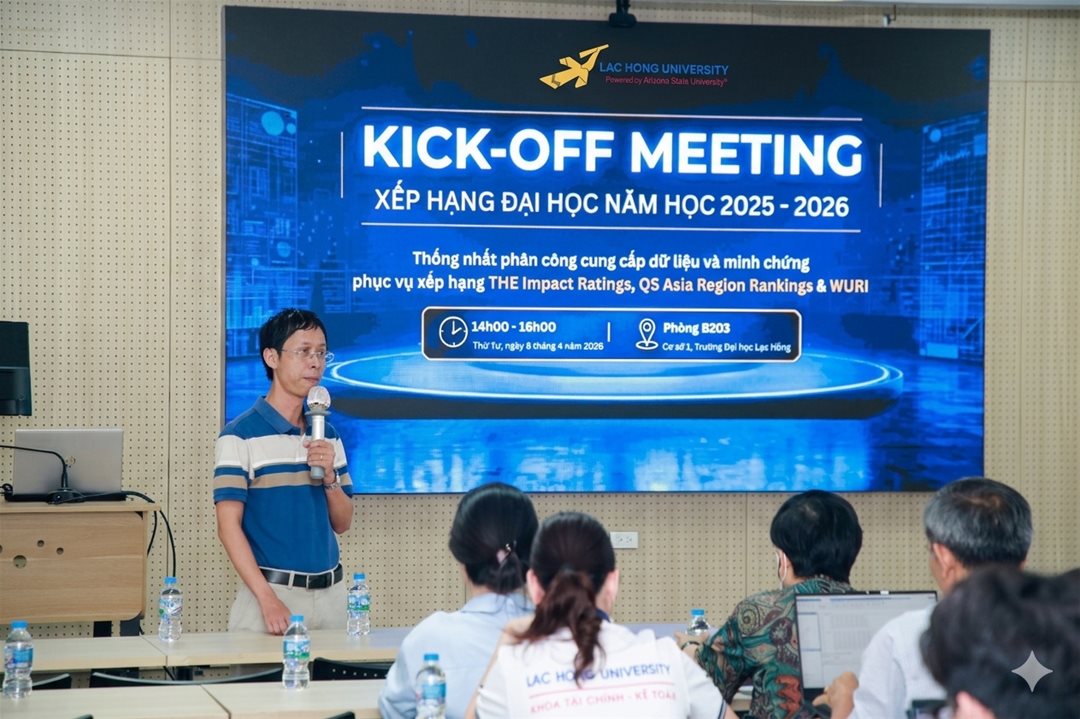
Accordingly, each ranking has its own orientation. THE Impact Rankings measure the contributions of higher education institutions to the Sustainable Development Goals (SDGs) through data, evidence, and research outcomes. QS emphasizes academic reputation, employer reputation, internationalization, and research performance. Meanwhile, WURI focuses on innovative initiatives that have practical impacts on society. Understanding the characteristics of each ranking helps units identify the right direction for preparation and develop appropriate participation roadmaps.
Reaching agreement on Coordination Mechanisms and Data Provision
One of the key contents of the meeting was to agree on coordination mechanisms among units in providing data and evidence for ranking purposes. Focal points, implementation progress, deadlines, and data submission methods were clarified, especially for criteria involving multiple units. This is considered an important step to ensure the accuracy, consistency, and timeliness of data.
In addition to data standardization requirements, the meeting also emphasized orientations toward improving the quality and quantity of scientific research, expanding international research collaboration, and promoting an equitable academic environment.
Linking Ranking Strategies with Sustainable Development and Innovation
Notably, the meeting showed a shift in the university’s approach: from viewing rankings as a technical task mainly revolving around data collection and evidence preparation to a more strategic approach that links rankings with quality improvement, sustainable development, and social impact. Accordingly, activities associated with the SDGs are not only evidence for THE Impact Rankings but also serve as a foundation for forming and developing practical initiatives within the WURI framework.
This approach is consistent with current trends in international university rankings, where institutions are no longer evaluated solely based on teaching and research performance but also on their roles in addressing global challenges, contributing to the community, and creating scalable innovation models. This also reflects an important shift in university governance thinking: rankings are not merely about positions but also tools for self-assessment, positioning, and continuous improvement.
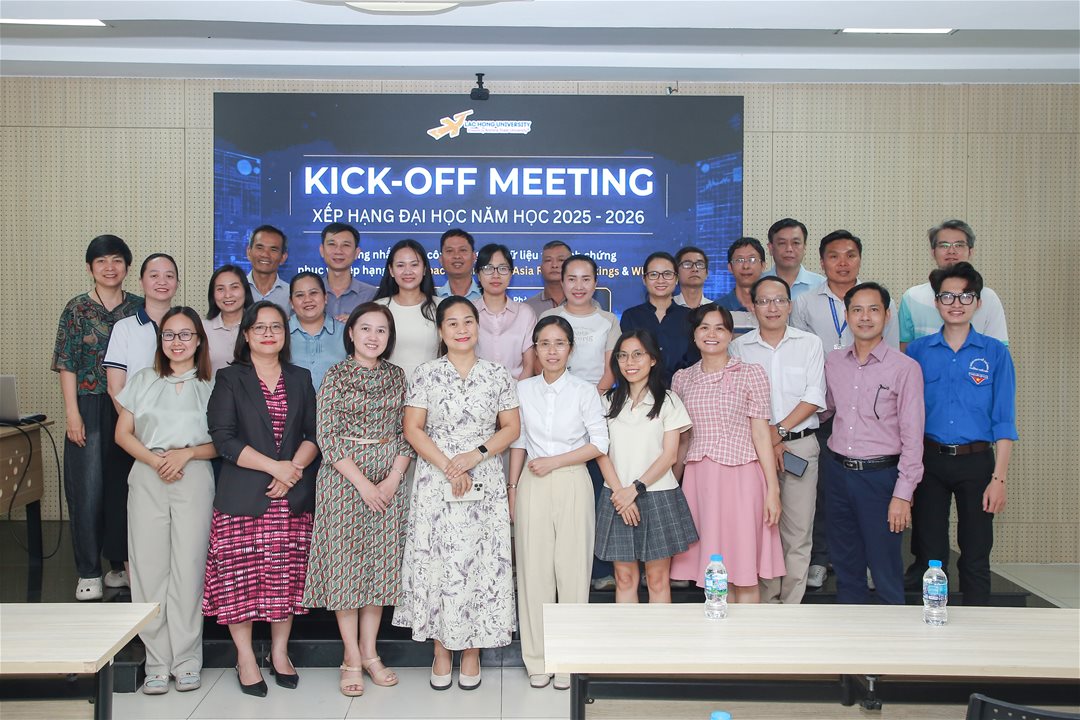
At the meeting, participants agreed that participating in international rankings is a long-term process requiring comprehensive preparation in terms of data, evidence, resources, and development strategies. In the context of higher education increasingly moving toward internationalization, transparency, and impact-based evaluation, proactive participation in prestigious rankings will help the university gradually approach new standards, enhance academic reputation, expand cooperation opportunities, and increase the value delivered to learners and society.
University rankings # SDGs # THE # QS # WURI # academic reputation # employer reputation
